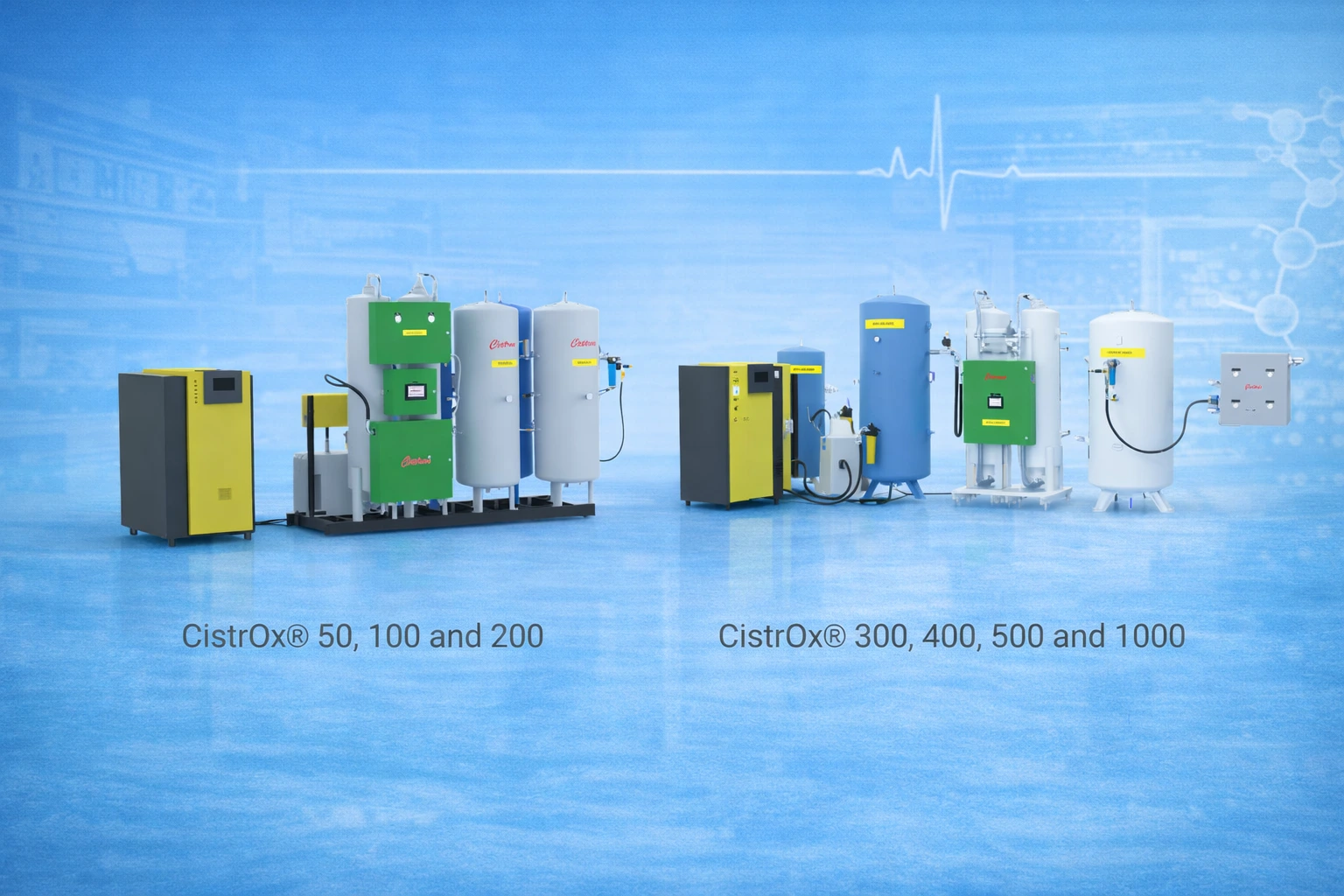
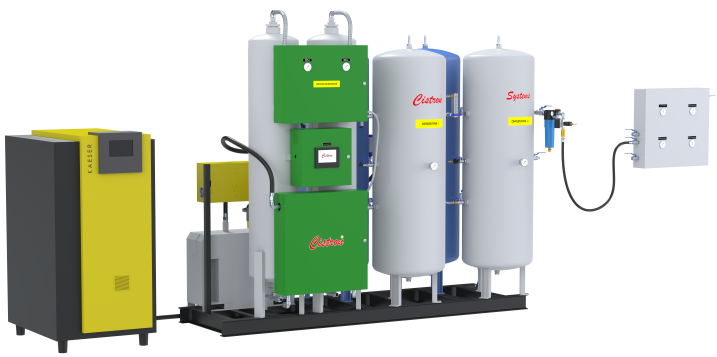
Cistron's PSA Oxygen Generators deliver continuous high-purity medical oxygen on-site —
eliminating cylinder dependency for hospitals across India for over 30 years.
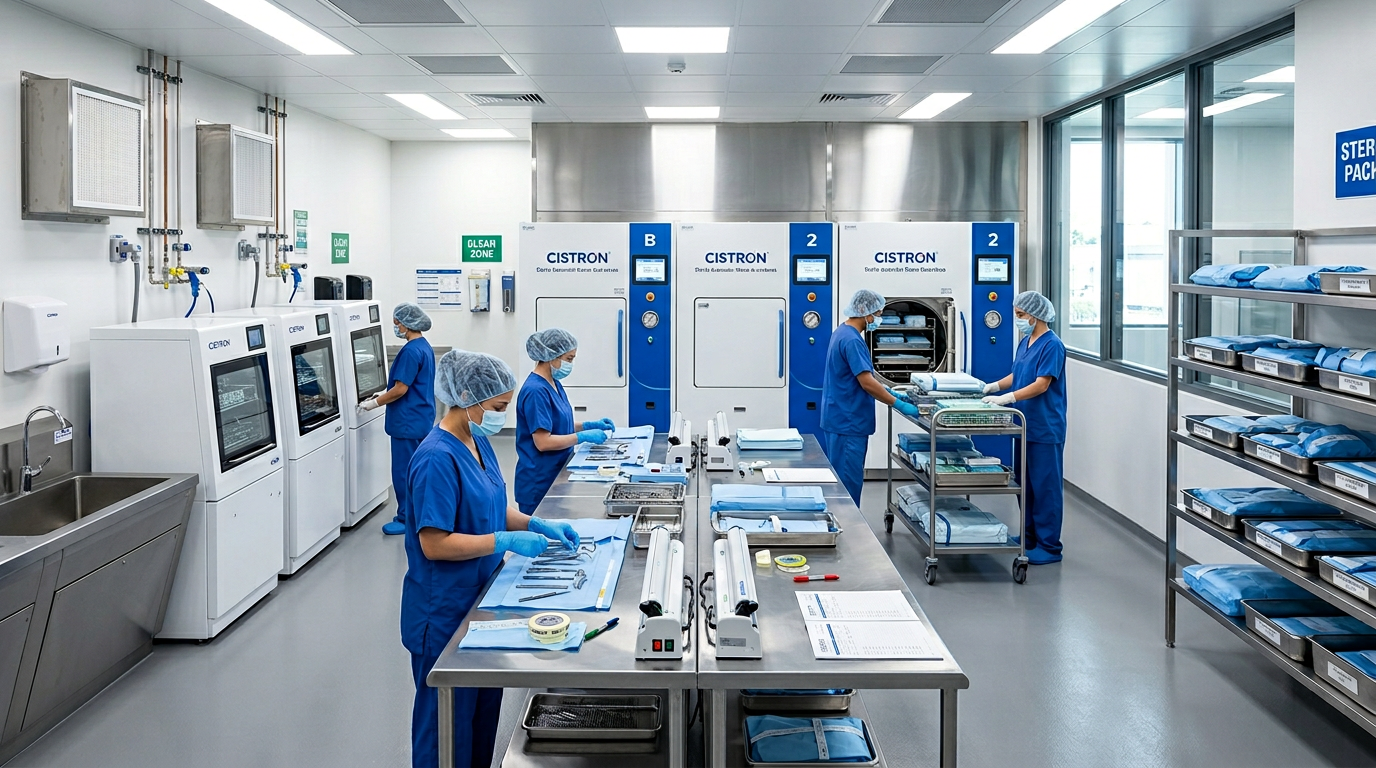
World-class ISI-marked autoclaves ensuring 100% microbial elimination with
precision-controlled steam cycles. Trusted by leading hospitals & CSSD departments pan India.
From OT infrastructure to MGPS and ICU solutions — Cistron delivers turnkey hospital
setups with NABH compliance, 24/7 IVR support and pan-India resident engineers.
The Indian dedicated medical equipment manufacturer with 3 successful decades of quality products manufacturing and services.
Our Strength …
Our customers ….
We are proud to have over 8500 satisfied customers in the Medical Industry.
We delight our customers in the medical field with updated technology at an acceptable cost for Operation Room equipment, Critical Care and MGPS for more than 30 years. The knowledge we gained in past with our customers for the betterment of patients and society is the identity of Cistron.
Manufacturing
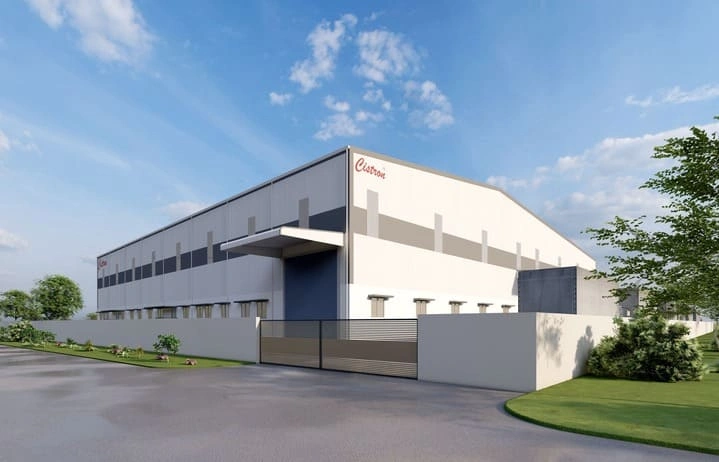
Our present manufacturing facility at Chennai is new world class facility at 1,00,000 sq.ft within the new MEDICAL DEVICES PARK to match with international factory standard with dedicated mechanical design and stimulation department, electronic development department, Centralized stores, Mechanical Fabrication, Electrical Assembly, Testing and QC departments. Cistron facility is ISO9001 and ISO13485 quality standards certified, and our steam sterilizers are ISI certified. Other products are as per CE compliance. CDSCO licensed facility.
Why Cistron?
The combination of 30 years’ experience in medical industry, diversified specialization, pan India operation, best manufacturing setup, Quality products and certifications such as ISI, Objective to delight our customers, In continual new product development, scattering to rural market and global market is the unique combo which India hospitals need.
What We Make
Our Products
Advanced medical technology designed for reliability and performance
Product
Oxygen Generator
A PSA (Pressure Swing Adsorption) Oxygen Generator produces high-purity oxygen from atmospheric air on-site by selectively removing nitrogen and other trace gases using a material called zeolite molecular sieve. These generators are a cost-effective, reliable, and safe source of continuous oxygen for industrial and medical applications.
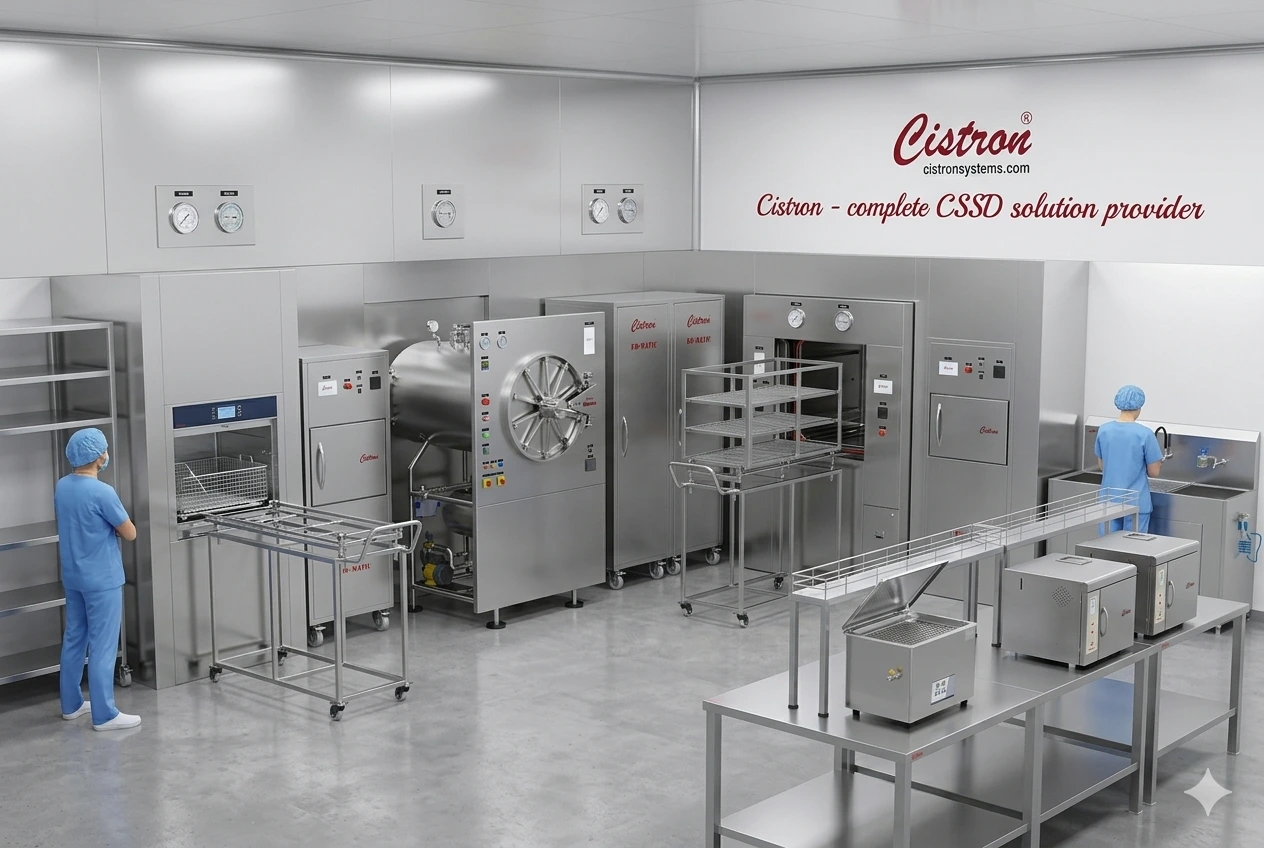
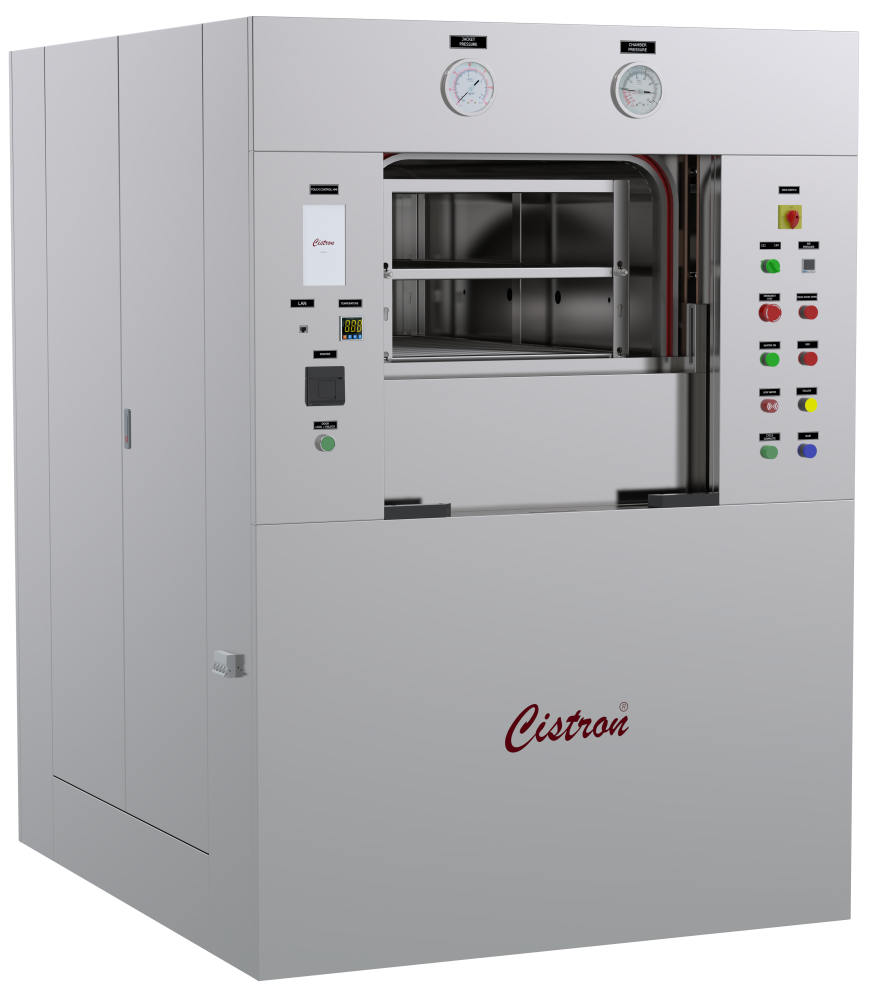
Rectangular Steam sterilizers are generally a larger sterilizer and more efficient than the cylindrical types. They are most common in larger hospitals, pharma industry and other medical devices industries. These sterilizers are versatile, heavy duty and can handle tough loads. They are generally automatic and process all advanced technologies.
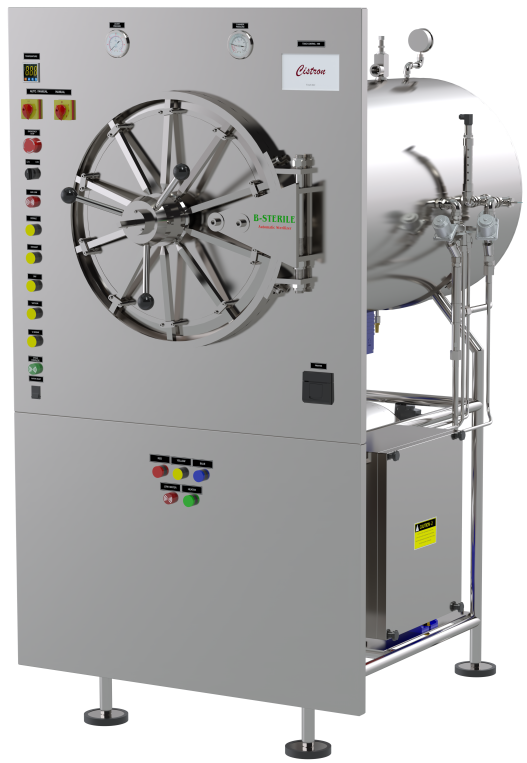
Steam sterilizers, also known as autoclaves, are devices that use pressurized saturated steam to effectively kill microorganisms, including bacteria, viruses, and spores, on various items. They are used across healthcare, laboratory, and industrial settings for reliable sterilization.
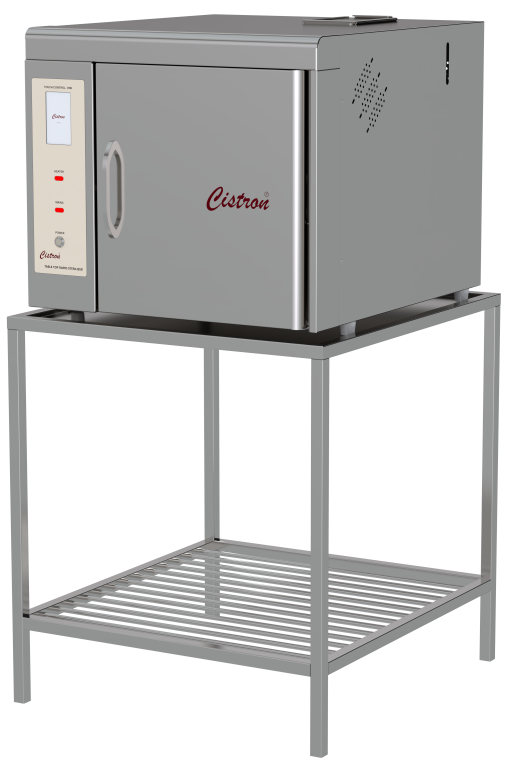
Built with modern design elements and features. Auto door locking, touch control, sunken electrical and drain ports, water saving through inbuilt condensation systems, Class-B and Class-N compatible processes. Suits, general OR, Ophthal, Dental and small clinics.
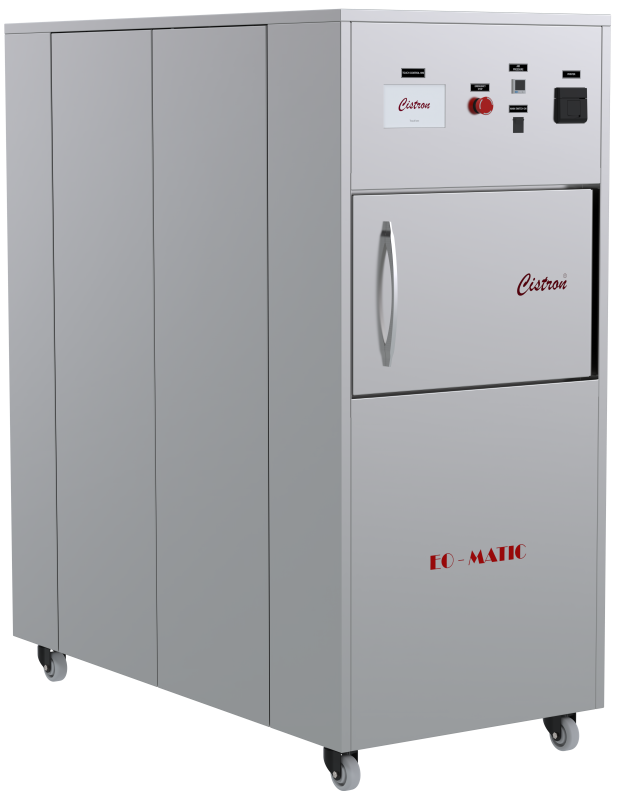
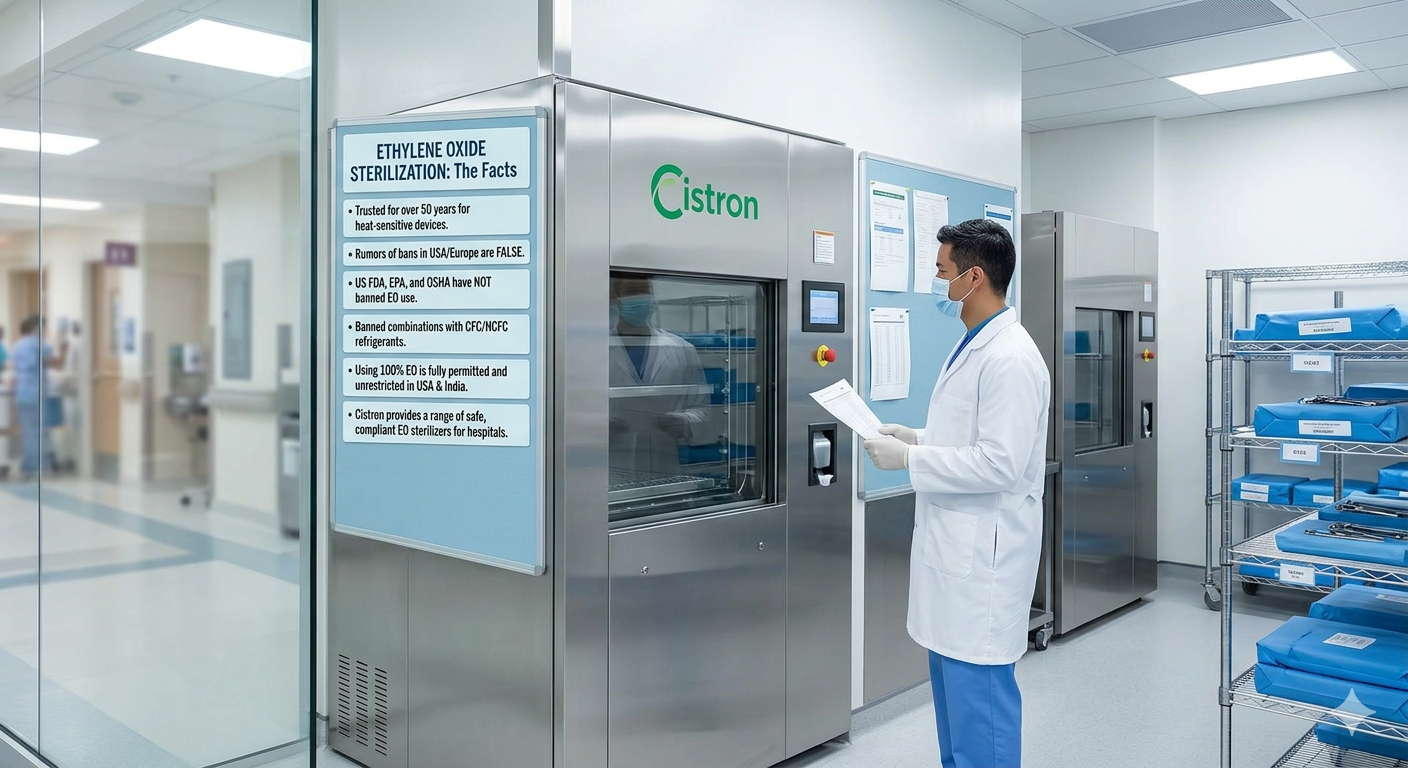
An ethylene oxide (EO/ETO) sterilizer uses low-temperature EO gas to sterilize heat-sensitive medical devices, electronics, and plastics, effectively killing microbes by disrupting their DNA, making it ideal for complex items like catheters and syringes where steam sterilization fails.
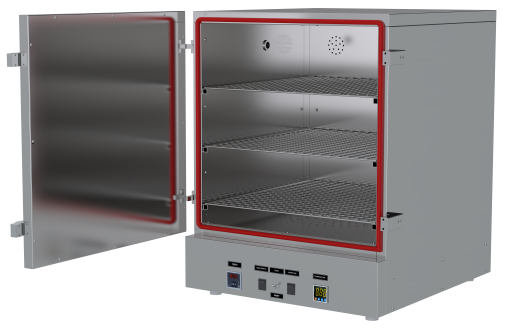
CSSD drying cabinets are specialized stainless steel, medical-grade units used in hospitals to rapidly, safely, and evenly dry surgical instruments, endoscopes, anesthesia circuits, and containers after cleaning. They prevent bacterial growth and corrosion, ensuring materials are completely dry before sterilization, thus protecting delicate, complex devices.
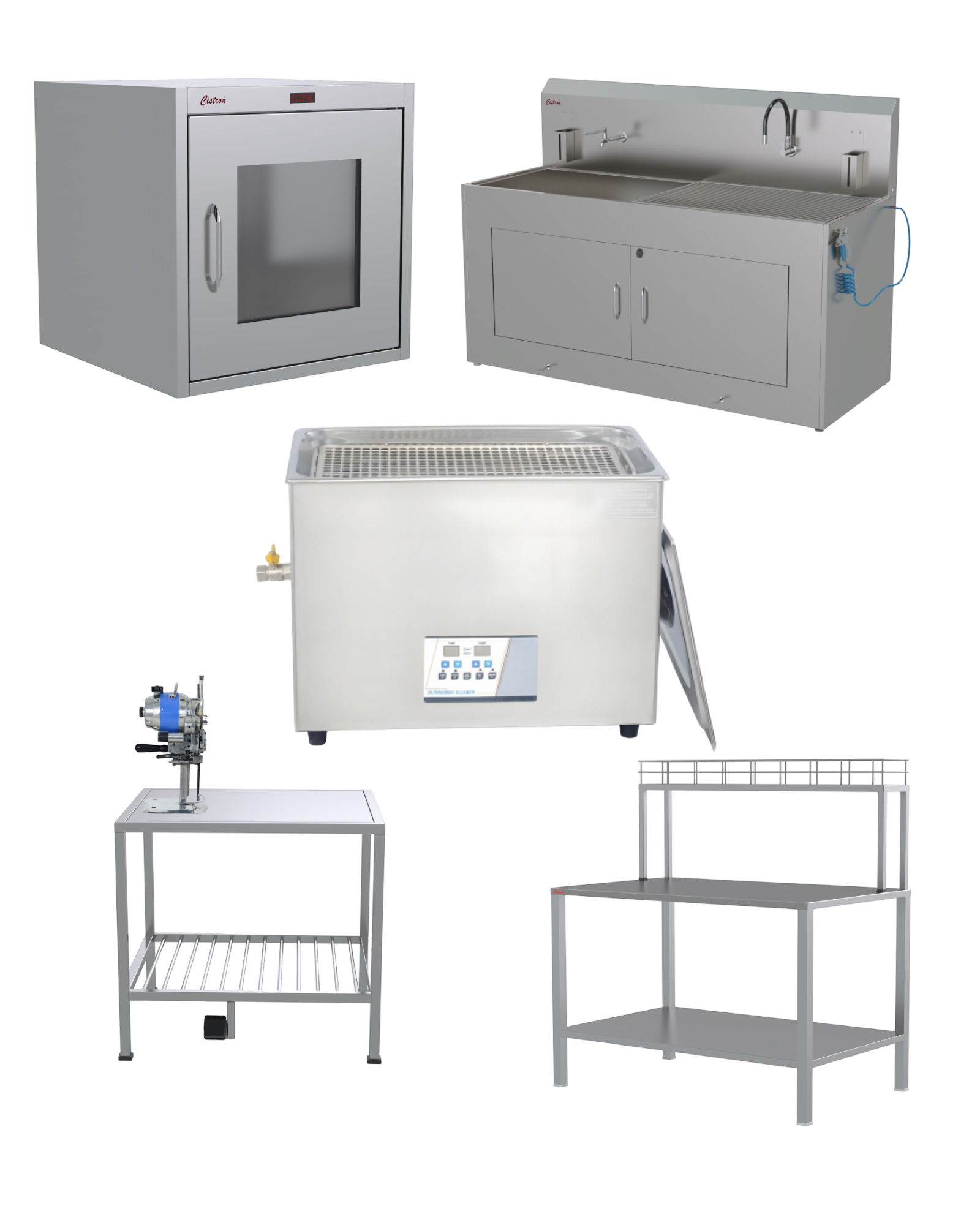
Being a complete turnkey solution provider Cistron Systems manufactures all ranges of CSSD equipment's and its accessories to provide one stop solution and enhance customer experience in setting up CSSD. All the components of CSSD are Cistrons own design and technology to meet global standards and to support Indian conditions. We handcrafted the accessories and furniture's understanding the requirement of CSSD technicians across the country.
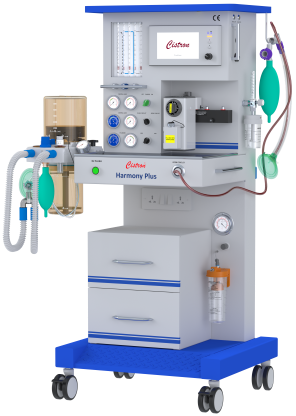
Anesthesia workstations provide complete control over the patient providing all necessary facilities required for the anesthetists during GA. Starting from gas delivery, anesthetic agent control, aspirator for suction, auxiliary oxygen flowmeter to do pre flush, multi-mode digital ventilator, easily accessible drug tray and many more.
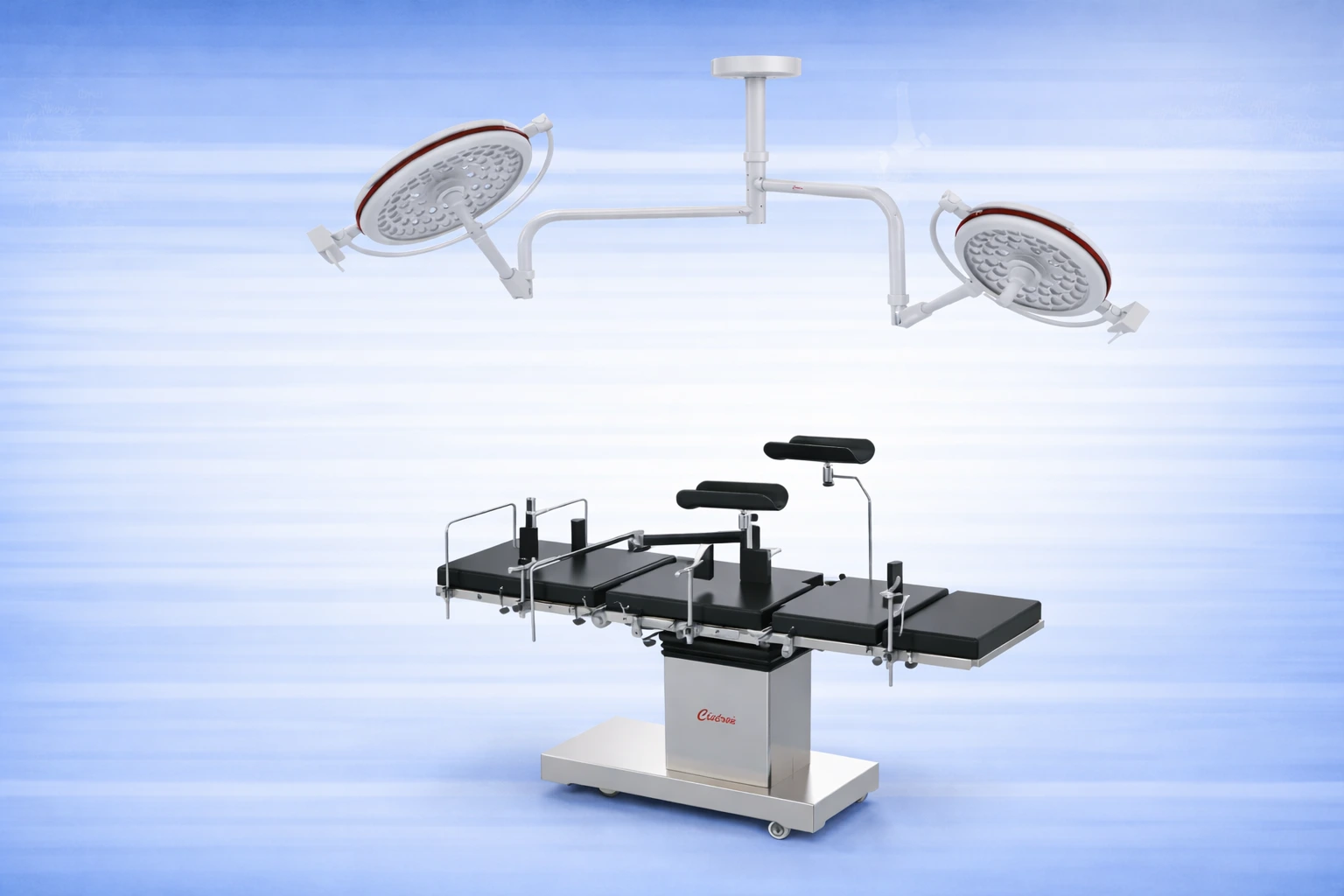
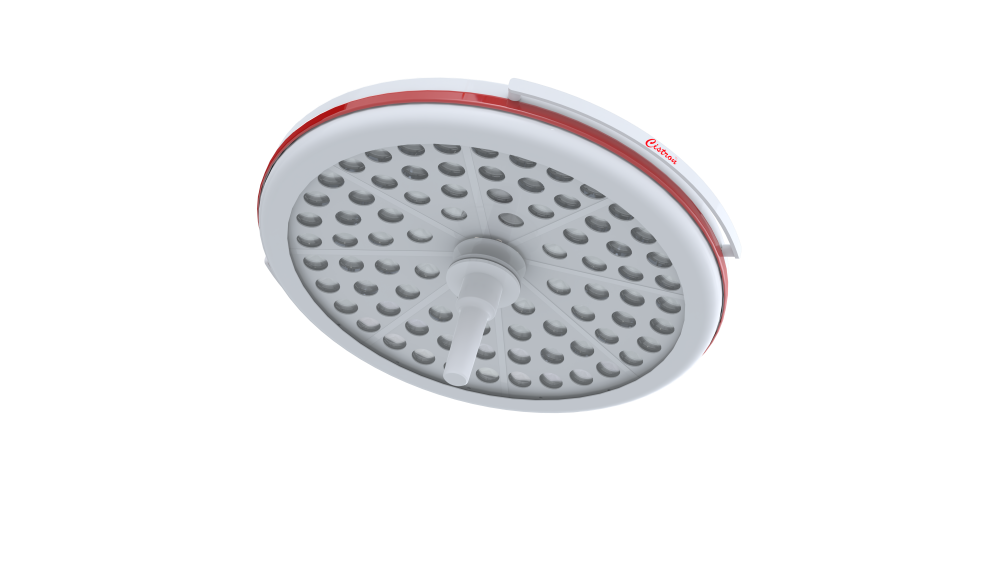
The Cistron Spot Light series comprises advanced LED OT lights designed with robust aluminium casings for enhanced durability. Featuring an intuitive touchscreen interface, these lights are equipped with imported high CRI LEDs and medical-grade converged lenses to deliver superior illumination. Stable arms and a solid structure ensure consistent positioning and reliable performance during surgical procedures. The SpotRight series is engineered for stability, longevity, and optimum light penetration, offering perfect intensity with minimal shadow—making it an ideal choice for all types of surgical operations.
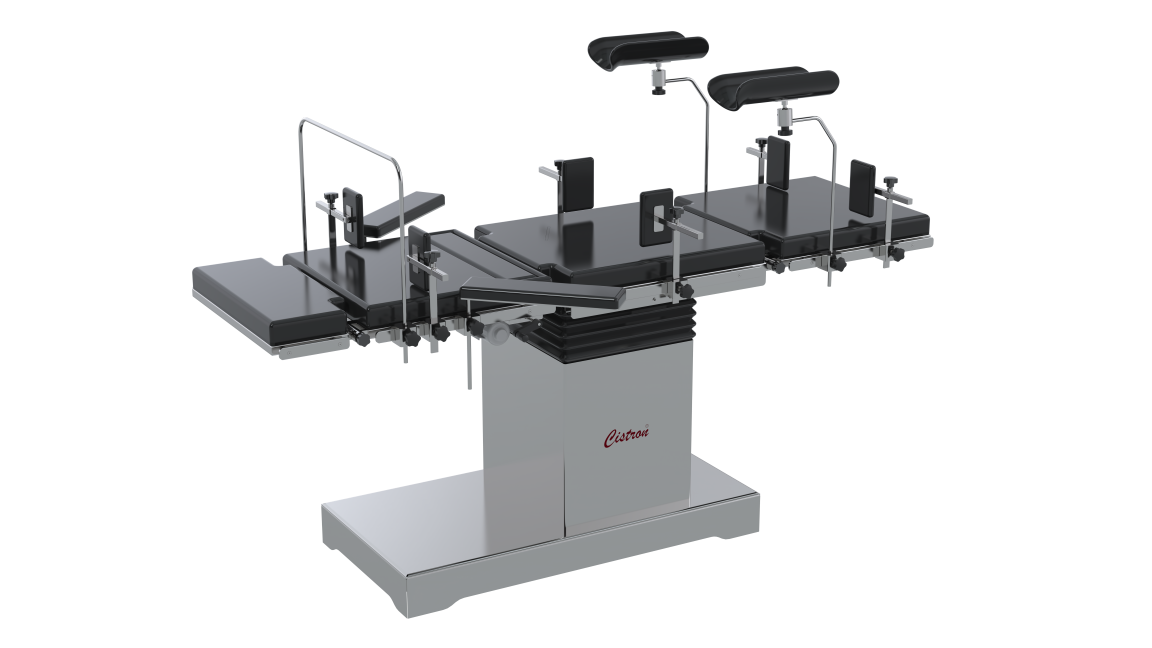
Cistron Systems offers advanced electrical operating tables designed for versatility, safety, and stability in operating theatres, often featuring high-grade stainless steel construction (SS 304) for durability. These tables are engineered to meet the demands of modern surgical procedures, including C-arm imaging compatibility.
Quality services to keep your medical equipment running flawlessly
01
Doorstep Technical Services
1st Indian company in medical equipment industry to have centralized IVR customer care system. Our customer care number - 931 921 77 88. Our service team is equipped with tools and software for calibration to ensure utmost satisfaction to our customers. We have our service offices at Chennai and Hyderabad with resident engineer's in all major cities of the country.
02
Hospital Infra Consultation
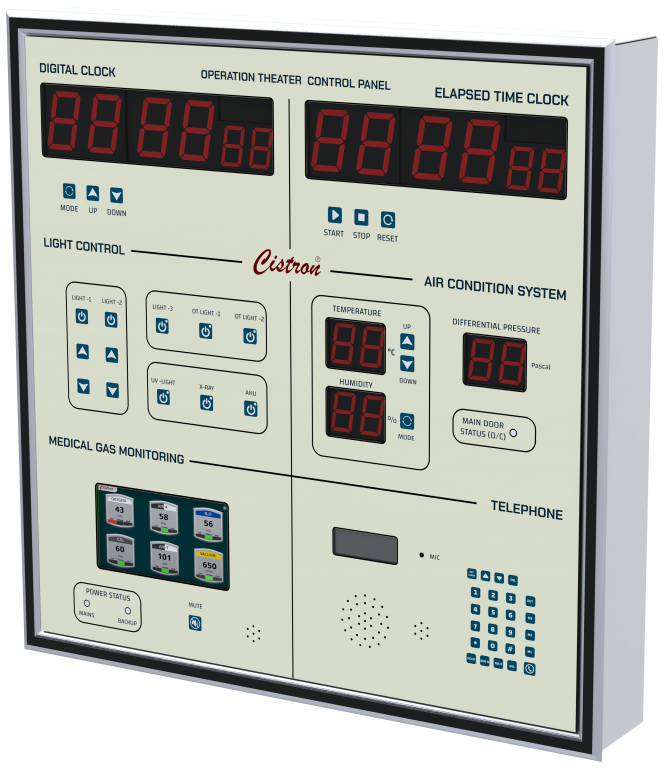
Being a turnkey and total solution provider, Cistron provides detailed technical support to our customers in designing and implementation of the entire hospital having core competency in CSSD, OT, ICU, MGPS, Diagnostics, Electrical and other MEPs with NABH compliance.
03
Capex consultation for Hospitals
We work in hand with hospital owner/doctors/management for deciding and finalizing all medical equipment's considering the requirements, specialty, operation cost, cost to institution, phased purchase plan, scope for expansion and many more parameters.
04
Operational consultation of Medical Equipments
We streamline the Maintenance department and Biomedical department by providing SOP for maintenance and monitoring of all the assets to obtain best out of them. This will increase the efficacy and generate business avenues,
05
CSSD Solution provider
We set the entire CSSD operations with inhouse software of Cistron. This includes process validation, batch monitoring, verification, inventory of instruments, medicolegal documentation as per 21CFR, Billing for CSSD, Consumption and expiry monitoring and many more.
06
Medical gas system integrators
Providing solutions for designing, supplying, installing, and commissioning Medical Gas Pipeline Systems (MGPS) in hospitals. MGPS design tailored to hospital layouts, ensuring compliance with standards such as HTM 02-01, NFPA 99, and ISO 7396-1.
CSSD Layout Planning for Hospitals: How Much Space Do You Really Need?
?The Central Sterile Supply Department (CSSD) is one of the most critical functional areas in any hospital — yet it is also one of the most consistently underplanned. Hospitals that do not allocate adequate space, design the right workflow zones, or install the appropriate equipment capacity end up with a CSSD that creates bottlenecks, NABH compliance issues, and — most importantly — patient safety risks.This guide provides a practical framework for CSSD layout planning in Indian hospitals, covering space requirements by bed count, zone design, equipment requirements, and NABH standards.Why CSSD Layout Planning Is a Patient Safety IssueA poorly designed CSSD breaks the contamination control chain. If soiled instruments travel the same path as sterile ones, if zones are not properly separated, or if there is not enough storage space for sterile inventory — the risk of surgical site infection increases. This is not theoretical. Hospital-acquired infection clusters have been traced to CSSD workflow failures in India and globally.NABH's standards for CSSD are detailed and prescriptive precisely because this area is so safety-critical. Getting the layout right from the start is far less expensive than retrofitting a non-compliant CSSD after NABH assessment.The Three-Zone CSSD Design PrincipleAll NABH-compliant CSSDs are built around a strict three-zone design:Zone 1 — Decontamination (Dirty/Red Zone)All used, contaminated instruments arrive here. This zone contains: the instrument receiving area, pre-cleaning and soaking stations, ultrasonic cleaners, washer-disinfectors, and the loading side of pass-through autoclaves. The air flow in this zone is maintained at negative pressure relative to the clean zone — air moves INTO this zone, not out of it.Zone 2 — Preparation and Packing (Clean/Amber Zone)Cleaned and disinfected instruments move into this zone for inspection, assembly, and packing. This zone contains: inspection tables, packing tables, packaging materials, indicator storage, and instrument assembly areas. Personnel working here wear dedicated CSSD attire and do not move freely between zones.Zone 3 — Sterile Storage and Dispatch (Sterile/Green Zone)Sterilized instrument packs emerge from the unloading side of the autoclave into this zone. Storage racks, trolley parking, and the sterile dispatch area are here. Only sterile items may enter this zone. Instruments are dispatched to OTs and wards from here.The physical separation between these zones — walls, pass-through autoclaves, and controlled access doors — is a NABH requirement, not a suggestion.CSSD Space Requirements by Hospital Bed Count20–30 beds (small hospital)Minimum CSSD area: 40–60 sq metres. Equipment: 1 cylindrical autoclave (100–150 litre), 1 ultrasonic cleaner, basic wash station, packing table, sterile storage racks. This is the minimum viable CSSD for a small hospital seeking NABH accreditation.30–50 bedsMinimum CSSD area: 60–100 sq metres. Equipment: 1 rectangular or cylindrical autoclave (200–300 litre), ultrasonic cleaner, washer-disinfector (optional at this scale), wash stations, packing area, sterile storage. A pass-through autoclave installed in a wall between zones is recommended at this scale.50–100 bedsMinimum CSSD area: 100–200 sq metres. This scale requires a properly designed three-zone layout with dedicated zone walls, pass-through autoclave(s), washer-disinfectors, and adequate sterile storage capacity for 24-hour instrument supply to all OTs and critical care areas.100–200 bedsMinimum CSSD area: 200–400 sq metres. Multiple autoclaves required (typically 2–3 rectangular pass-through units). Dedicated washer-disinfector room. Drying cabinet. Full sterile storage system. Central CSSD workflow management capability.200+ bedsMinimum CSSD area: 400–600+ sq metres. May require a dedicated CSSD floor or large wing. Multiple rectangular autoclaves with trolley loading capability. Automated washer-disinfector systems. Large-scale sterile storage and dispatch logistics.Equipment Checklist by ZoneDecontamination zone (Zone 1)Wash station with pre-cleaning sinksUltrasonic cleanerWasher-disinfector (thermal or chemical)PPE station for zone staffLoading side of pass-through autoclavePreparation and packing zone (Zone 2)Instrument inspection tables (stainless steel, with magnification lighting)Packing tablesHeat sealing machine for pouch packagingStorage for packaging materials, chemical indicators, biological indicatorsSterile storage zone (Zone 3)Sterile storage racks (closed, HEPA-filtered air recommended)Closed sterile transfer trolleysInstrument dispatch area with tracking systemUnloading side of pass-through autoclaveNABH CSSD-Specific RequirementsBeyond the three-zone layout, NABH requires hospitals to demonstrate:Written CSSD policy and procedure documentsDaily sterilization cycle logs with printoutsBiological indicator testing programBowie-Dick test records for Class B autoclavesInstrument tracking system (manual or electronic)Staff competency records for CSSD proceduresTemperature and humidity monitoring in sterile storage areaCommon CSSD Planning Mistakes to AvoidAllocating space based on current instrument volume only — plan for 3 years of growthNot providing adequate ventilation and air pressure differentiation between zonesInstalling a single-door autoclave when NABH requires pass-throughUnderestimating sterile storage requirements — inadequate storage leads to safety shortcutsPlacing the CSSD too far from the OT — long transport distances increase contamination riskHow Cistron Supports CSSD PlanningCistron Systems offers a complete CSSD turnkey service — from layout planning and equipment specification through to installation, commissioning, and NABH documentation support. Our CSSD specialists have helped over 1,000 hospitals in India design and establish compliant CSSDs.Our complete CSSD equipment range — steam sterilizers, washer-disinfectors, ultrasonic cleaners, drying cabinets, wash stations, packing tables, sterile trolleys, pass boxes, and storage racks — means you can source your entire CSSD from one supplier with single-point accountability.ConclusionCSSD layout planning is not a side project — it is a core clinical infrastructure decision with direct patient safety implications. Starting with the right space allocation, the right zone design, and the right equipment selection is far cheaper and safer than correcting mistakes after your CSSD is operational.Cistron's free CSSD consultation service is available to any hospital in India planning a new CSSD or upgrading an existing one. Contact us and our specialists will visit your site, review your plans, and provide a complete recommendation.
ISI Certified Autoclave: Why Hospital Procurement Managers Should Only Buy ISI-Marked Sterilizers
?When a hospital purchases a steam sterilizer, the stakes are not just financial — they are clinical. A faulty or substandard autoclave does not just waste money; it puts patients at risk of surgical site infections, sepsis, and death. This is why the ISI marking — the Bureau of Indian Standards certification for safety and quality — is the single most important credential to verify before purchasing any autoclave for a hospital.This article explains what ISI certification means for autoclaves, why it matters for hospital procurement, how it relates to NABH accreditation, and what legal protections it provides for your facility.What Is the ISI Mark?The ISI mark (Indian Standards Institution mark, now governed by Bureau of Indian Standards under the BIS Act 2016) certifies that a product conforms to specific Indian Standards. For autoclaves and steam sterilizers, the relevant standards are IS 3829 (sterilizing autoclaves for medical use) and IS 7358 (hospital sterilizers).ISI certification requires manufacturers to undergo factory inspection, product testing, and periodic surveillance audits by BIS. Only manufacturers whose products consistently meet the standard through ongoing monitoring are authorised to use the ISI mark.This is not a one-time certificate. It is an ongoing compliance regime — which is why ISI marking from a credible manufacturer is a meaningful quality signal.Why ISI Certification Matters for Hospital AutoclavesPatient safetyAn autoclave that does not achieve the specified temperature, pressure, and holding time does not sterilize instruments. Instruments that are not sterile cause surgical site infections. ISI certification provides documented evidence that the autoclave performs to validated safety standards — every cycle, not just during a test.NABH complianceNABH accreditation standards require hospitals to demonstrate that all medical equipment meets applicable national standards. For sterilization equipment, BIS/ISI compliance is the expected credential. NABH assessors ask to see equipment specifications — an autoclave without ISI marking is a corrective action finding.Legal protectionIf a patient suffers an infection traced to inadequately sterilized instruments, the hospital will face medico-legal scrutiny. A hospital that purchased an ISI-certified autoclave from a licensed manufacturer, maintained it per the manufacturer's guidelines, and documented its sterilization cycles is in a far stronger legal position than one that purchased a cheap, uncertified machine.Resale and insurance valueISI-certified medical equipment is recognised by insurance assessors and hospital valuers. Equipment without certification may be excluded from asset valuation and insurance coverage.How to Verify ISI CertificationThe ISI mark can be misused — some manufacturers place ISI-like marks on products without actual certification. Here is how to verify correctly:Ask for the BIS license number. Every ISI-certified manufacturer has a BIS license number that can be verified on the BIS website (bis.gov.in).Check the ISI mark on the physical product — it should include the Standard Mark symbol, the IS number, and the BIS license number.Request the manufacturer's BIS certificate of conformity — a legitimate manufacturer will provide this without hesitation.Verify the specific product is covered — a manufacturer may be ISI certified for some products but not others.Cistron Systems holds ISI certification for its complete range of steam sterilizers. Our BIS license details are available on request and can be independently verified.ISI vs ISO: Understanding Both CertificationsMany hospital buyers are confused about the difference between ISI (BIS mark) and ISO certifications. They are different and complementary:ISI/BIS MarkProduct certification. The ISI mark certifies that a specific product conforms to a specific Indian Standard. It is applied to the product itself.ISO 13485Management system certification. ISO 13485 certifies that a manufacturer's quality management system meets international standards for medical device manufacturing. It does not certify specific products — it certifies the processes used to design, manufacture, and control them.The best medical equipment manufacturers hold both: ISO 13485 for their manufacturing system and ISI marking for their products. Cistron Systems holds both — making our autoclaves among the most credentialed sterilization products available in India.The Risk of Buying Non-ISI Certified AutoclavesIndia's autoclave market includes numerous small manufacturers and traders who offer products at very attractive prices without ISI certification. Here is what that means in practice:Temperature and pressure accuracy may not be validated to Indian StandardsChamber materials may not meet safety specifications for high-pressure steamDoor mechanisms and safety interlocks may not perform to standardNo ongoing surveillance — the equipment may perform differently in year 2 or year 5 than it did when initially installedNo traceability — if an infection cluster is investigated, there is no documented evidence of sterilization standardsFor a product that is literally the last line of defence against surgical instrument contamination, these risks are unacceptable.What Procurement Managers Should AskWhen evaluating autoclave suppliers, procurement managers should ask these specific questions:Can you provide your BIS license number for this product?What IS standard does this product conform to?Can you provide the latest BIS surveillance audit report?Is your manufacturing facility ISO 13485 certified?What is your CDSCO registration status for this product?What is your warranty and after-sales service structure?Any reputable, compliant autoclave manufacturer will answer all of these questions immediately and in writing. Hesitation or vague answers on any of these points is a red flag.Cistron's ISI-Certified Autoclave RangeCistron Systems has held ISI certification for its steam sterilizers for decades. Our rectangular, cylindrical, and tabletop autoclaves all carry the BIS mark, are manufactured under ISO 13485 quality systems, and are CDSCO registered medical devices.With 8,500+ hospital customers and 30+ years of manufacturing history, Cistron is one of India's most experienced and credentialed autoclave manufacturers. Our facilities are regularly audited by BIS and our certification records are continuously maintained.ConclusionISI certification is not a bureaucratic requirement — it is a patient safety standard. For hospital procurement managers, it should be the first line in every autoclave specification. No ISI mark, no purchase. The clinical, legal, and accreditation consequences of buying uncertified sterilization equipment are too serious to ignore.When you buy a Cistron autoclave, you are buying verified ISI compliance, ISO 13485 quality systems, and 30 years of medical sterilization manufacturing experience — in one product.
What Is Class B Autoclave Sterilization? Everything Hospitals Need to Know
?If you have been researching autoclaves for your hospital or dental clinic, you have almost certainly encountered the terms 'Class B', 'Class N', and 'Class S'. These classifications define what types of loads an autoclave can reliably sterilize — and getting this wrong can compromise patient safety and NABH compliance.Class B is the gold standard in steam sterilization for hospital CSSDs. In this article, we explain exactly what Class B sterilization is, why it matters, what cycles it includes, and what you should look for when buying a Class B autoclave in India.The European Standard Behind the ClassificationThe Class B, S, and N classification system comes from European Standard EN 13060, which defines sterilization performance requirements for small steam sterilizers. India's medical standards have adopted these classifications, and NABH accreditation assessors evaluate autoclaves against them.Class N — simplest, most limitedClass N (N for 'Naked') sterilizers are suitable only for solid, unwrapped instruments. They use a single gravity air displacement cycle and cannot reliably sterilize hollow instruments, wrapped loads, or porous items. A simple steam pot used in older clinics is essentially a Class N device. These are not suitable for hospital CSSD use.Class S — intermediateClass S (S for 'Special') sterilizers are designed for specific load types as specified by the manufacturer. They offer more versatility than Class N but are not universally suitable for all CSSD loads.Class B — the hospital standardClass B (B for 'Big Small Sterilizers' — a term from the original standard) is the most capable and demanding classification. Class B autoclaves can sterilize any type of load: solid instruments, wrapped packages, hollow instruments (including lumened devices like endoscopes in some configurations), porous materials, and textiles.What Makes Class B Different: The Pre-Vacuum CycleThe key technical feature of a Class B autoclave is the pre-vacuum (also called fractionated vacuum or pulsed vacuum) cycle. Instead of simply letting steam push air out of the chamber by gravity (as Class N does), a Class B autoclave uses a vacuum pump to actively remove air from the chamber in multiple pulses before and during the steam injection phase.This is critical because air is a poor conductor of heat and an effective barrier between steam and instrument surfaces. If any air remains trapped — inside a lumen, inside a wrapped package, inside a hinged forceps — the steam cannot reach that surface. That instrument will not be sterilized, no matter how long the cycle runs.Pre-vacuum cycles eliminate this risk by physically removing air to below 50 mbar before steam injection. This guarantees that steam penetrates every surface of every item in the load.Class B Cycle TypesUniversal cycle (134°C, 3–18 minutes)The standard Class B cycle for solid, hollow, wrapped, and porous loads. Most hospital instrument sets are processed on this cycle. Steam temperature reaches 134°C with pre-vacuum to ensure complete air removal and penetration.Textile/linen cycleUsed for sterilizing surgical drapes, gowns, and other textile loads. Requires longer holding times and specific drying parameters to ensure thoroughly dried, sterile textiles.Prion cycleA specialised high-temperature, extended-time cycle for instruments used in neurosurgery where prion contamination is a concern. Not standard on all Class B autoclaves — must be specifically requested.Quick cycle (flash sterilization)Used for emergency sterilization of unwrapped instruments needed urgently in the OT. Not intended as a routine cycle for wrapped sterile inventory.Class B vs Class N: Why It Matters for Patient SafetyConsider a laparoscopic instrument with a narrow lumen. In a Class N autoclave, gravity steam may not penetrate the lumen reliably — especially with a wrapped load. The outer surfaces may be sterile. The inner surfaces may not.In a Class B autoclave with pre-vacuum cycle, the air is removed before steam injection. Steam penetrates the lumen under pressure differential. Every surface of the instrument is reliably sterilized.For hospitals performing laparoscopic surgery, robotic surgery, or any procedure with hollow instruments, Class B sterilization is not optional — it is a patient safety imperative.NABH Requirements for Class B AutoclavesNABH CSSD standards require that sterilization processes be validated and documented. For hollow and wrapped instrument loads (which are the majority of hospital CSSD loads), Class B sterilization is the appropriate validated process.NABH assessors look for Bowie-Dick tests (air removal test), biological indicators, chemical indicators, and cycle printouts as evidence of validated Class B sterilization performance. Cistron's rectangular and tabletop autoclaves are equipped to support all of these documentation requirements.How to Verify Class B Performance: Validation TestsBowie-Dick testThe Bowie-Dick test is a standard Class B performance test that verifies adequate air removal and steam penetration in a full porous load. It should be run every day before the first sterilization cycle in any Class B autoclave. A passing Bowie-Dick test result must be recorded in the CSSD log.Biological indicatorA biological indicator contains spores of Geobacillus stearothermophilus — a heat-resistant organism that represents the worst-case sterilization challenge. After a sterilization cycle, the biological indicator is incubated. If no growth is observed, the cycle achieved sterilization. Biological indicators should be run weekly in hospital CSSDs.Chemical indicatorsClass 5 and Class 6 chemical indicators are placed inside every packaged load. They change colour only when all critical sterilization parameters (temperature, time, steam) are met. They provide load-level evidence of sterilization process success.Cistron's Class B Autoclaves for Indian HospitalsCistron manufactures both tabletop (rapid flash) and large horizontal Class B autoclaves for hospitals. Our rectangular steam sterilizers — available in Auto Door, Full Closure, and Console Type configurations — all feature pre-vacuum technology, PLC-based cycle control, and automatic printout of every cycle parameter.Every Cistron autoclave is ISI marked, ISO 13485 certified, and NABH-validated. Our service engineers conduct Bowie-Dick tests during installation commissioning and train CSSD staff on daily validation procedures.ConclusionClass B sterilization is the non-negotiable standard for hospital CSSDs in India. The pre-vacuum cycle technology ensures reliable steam penetration into every load type — wrapped, hollow, porous, and solid. Without Class B capability, hospitals cannot reliably sterilize the full range of surgical instruments used in modern procedures.If your hospital is still using Class N or Class S autoclaves for routine CSSD sterilization, it is time to upgrade. Cistron's Class B autoclave range starts at compact tabletop models for small clinics and scales to full-room rectangular sterilizers for large hospital CSSDs.
Rectangular vs Cylindrical Autoclave: Which Is Right for Your Hospital CSSD?
When a hospital sets up or upgrades its Central Sterile Supply Department (CSSD), one of the most consequential decisions is autoclave type. Rectangular and cylindrical autoclaves are both effective steam sterilization solutions — but they serve different needs, volumes, and workflows. Choosing the wrong type can create operational bottlenecks, compliance issues, and unnecessary capital expenditure.This guide gives you a complete, practical comparison so you can make the right choice for your hospital's CSSD.Understanding the Basics: What Makes These Autoclaves Different?Rectangular Steam SterilizersRectangular autoclaves have a box-shaped chamber. This shape maximises usable volume for its footprint — surgical trays, instrument sets, linen packs, and standard CSSD trolley baskets fit naturally into the rectangular space without wasted corners. Large rectangular autoclaves can process an entire trolley load in a single cycle.Cistron's rectangular steam sterilizers are available in three key configurations: Auto Door, Full Closure (pass-through with double doors), and Console Type — each suited to different CSSD workflow designs.Cylindrical Steam SterilizersCylindrical autoclaves have a round chamber cross-section. The circular shape is structurally stronger under pressure — which means the chamber walls can be thinner, making cylindrical autoclaves more compact and generally less expensive for smaller volumes. However, the round interior means that rectangular trays and instrument sets do not fit as efficiently, leaving unused space in the corners.Cistron's BSterile and BSterile Maxi Premium cylindrical sterilizers are designed for high reliability in clinics, small hospitals, and facilities where space is limited.Capacity ComparisonVolume efficiencyFor equivalent external dimensions, a rectangular autoclave offers 20–30% more usable internal volume than a cylindrical one. This is because surgical trays, CSSD baskets, and wrapped instrument sets are rectangular — they fill a rectangular chamber efficiently but leave wasted space in a round chamber.ThroughputFor high-volume CSSD departments processing hundreds of instrument sets per day, rectangular autoclaves process more in fewer cycles. This directly reduces turnaround time and improves OT schedule reliability.CSSD Workflow and Layout ConsiderationsSingle-door vs double-door (pass-through) configurationOne of the most significant workflow decisions in CSSD design is whether to use a single-door (front-loading only) or double-door (pass-through) autoclave. In NABH-compliant CSSDs, instruments travel from the contaminated zone through the sterilizer to the sterile zone without crossing paths.Cistron's Full Closure Rectangular Sterilizers are designed specifically for this pass-through requirement. They are installed in the wall between the dirty and clean zones, with the loading door in the dirty zone and the unloading door opening into the sterile zone.Cylindrical autoclaves are typically single-door and therefore less suited to pass-through CSSD layouts. They are often used in smaller facilities where a full pass-through CSSD zone separation is not yet in place.Trolley and basket loadingLarger rectangular autoclaves accept CSSD standard trolleys directly — entire instrument loads can be wheeled in, sterilized, and wheeled out. This dramatically reduces handling time and the risk of contamination during loading. Cylindrical autoclaves require individual basket or rack loading, which takes more staff time for large volumes.NABH Compliance ImplicationsNABH CSSD standards require a documented, validated sterilization process with clear zone separation (dirty ? clean ? sterile). The requirement for pass-through sterilizers in a properly designed CSSD points strongly towards rectangular double-door autoclaves for hospitals pursuing NABH accreditation.For hospitals that already have NABH accreditation and are planning CSSD upgrades, Cistron's rectangular autoclaves are the standard recommendation. For smaller facilities not yet at NABH accreditation level, cylindrical autoclaves offer a practical and economical starting point.Cost ComparisonEquipment costFor equivalent chamber volumes, cylindrical autoclaves are typically 20–35% less expensive than rectangular ones. This is due to simpler manufacturing (the cylindrical shape requires less precision fabrication) and smaller material requirements for the same pressure rating.Total cost of ownershipDespite higher upfront cost, rectangular autoclaves offer better long-term value for medium and large CSSDs because of higher throughput efficiency, lower cycle count per instrument set processed, and better NABH compliance positioning (avoiding the need for future upgrades when accreditation is pursued).Space RequirementsIf space is the primary constraint, cylindrical autoclaves win. They are more compact per litre of chamber volume, making them appropriate for smaller plant rooms, converted storerooms, and phased CSSD development plans.Rectangular autoclaves require more floor area and often need ceiling height of at least 2.5 metres for the full door-opening arc. Cistron's site assessment team evaluates your space and recommends accordingly.Which Should You Choose?Choose rectangular if:• You are building or upgrading a NABH-compliant CSSD• Your hospital processes 50+ instrument sets per day• You need pass-through (double-door) sterilization• You have dedicated plant room space of 15 sq metres or more• You process large items (laparoscopic sets, orthopaedic trays)Choose cylindrical if:• You are a small hospital, nursing home, or clinic• Space is limited and you cannot accommodate rectangular dimensions• Budget is the primary constraint and you need a cost-effective start• You process fewer than 30 instrument sets per day• You are in the early stages of CSSD developmentCistron's CSSD Autoclave RangeCistron manufactures both rectangular and cylindrical steam sterilizers under the same ISO 13485 quality system, with ISI marking and NABH-validated performance. Our engineering team can help you design the right CSSD autoclave configuration based on your workflow, volume, space, and accreditation plans.From Cistron BSterile cylindrical units for small clinics to full double-door rectangular sterilizers for 200-bed hospitals — every system is built in our 1,00,000 sq ft Oragadam, Chennai facility and backed by pan-India service.ConclusionThe rectangular vs cylindrical autoclave decision comes down to volume, workflow, NABH compliance needs, and budget. For growing hospitals with NABH ambitions, rectangular is the right long-term investment. For smaller facilities getting started with proper sterilization, cylindrical is an excellent, cost-effective entry point.Cistron Systems offers both — and our CSSD specialists will help you choose the right configuration for where your hospital is today and where it is going tomorrow.
Why Indian Hospitals Are Switching from Oxygen Cylinders to On-Site PSA Plants
A quiet revolution is happening across Indian hospitals. From
large corporate hospitals in metros to 50-bed district hospitals in tier 3
cities — administrators, trustees, and medical directors are making one
consistent infrastructure decision: switching from oxygen cylinders to on-site
PSA oxygen plants.
This is not a trend driven by marketing. It is driven by hard
lessons learned during the COVID-19 pandemic, by tightening NABH accreditation
requirements, and by compelling financial math that makes on-site oxygen
production the rational choice for any hospital serious about its future.
In this article, we explore the real reasons behind this shift
— and why it may be time for your hospital to make the same decision.
The COVID-19 Moment That Changed Everything
Before April 2021, oxygen cylinders were simply 'the way
things were done' in most Indian hospitals. Then the second wave hit. Demand
for medical oxygen surged by 700–900% in a matter of weeks. Cylinder suppliers
could not keep up. Tankers broke down. Deliveries were delayed by days.
The hospitals that survived the crisis without oxygen
shortages had one thing in common: on-site PSA oxygen generation. Their supply
was completely independent of external suppliers. While other hospitals
scrambled for cylinders, PSA-equipped hospitals continued running at full
capacity.
That single event changed the conversation about on-site
oxygen from 'nice to have' to 'we cannot afford not to have it.'
NABH Is Pushing Hospitals Towards On-Site Oxygen
The National Accreditation Board for Hospitals (NABH) has
progressively tightened its standards for medical oxygen supply. NABH assessors
now look for documented oxygen supply reliability plans, backup systems, and
evidence of consistent purity monitoring.
Hospitals relying solely on cylinders face challenges in
meeting these requirements. A PSA system with built-in purity monitoring,
automatic alerts, and cylinder bank backup meets NABH's oxygen safety standards
cleanly and completely.
For hospitals pursuing NABH accreditation or renewal, an
on-site PSA plant is no longer optional — it is practically expected.
The Financial Reality Has Become Impossible to Ignore
For years, hospitals avoided PSA investment because of the
upfront capital cost. The numbers have changed that conversation.
Consider a 75-bed hospital consuming 150 cubic metres of
oxygen per day. At current market rates, cylinder costs run to approximately
?14–18 lakh per year including rental, delivery, and handling. A CistrOx 150
LPM PSA system can be installed for ?30–35 lakh and produces oxygen for an
annual operating cost of ?1.5–2 lakh (electricity and maintenance). Payback in
under 18 months — and then ?12–16 lakh in savings every year after that.
Over 10 years, the same hospital saves ?1–1.5 crore compared
to continuing with cylinders. That is money that could fund a new OT, upgrade
ICU equipment, or expand the hospital.
Staff Safety and Cylinder Management Are Real Problems
Hospital administrators who have managed cylinder-based oxygen
supply know the operational burden: coordinating with suppliers, tracking
inventory, managing the logistics of returning empty cylinders, and ensuring
cylinders are stored safely. Every cylinder is a high-pressure vessel — a
safety risk if not handled correctly.
Cylinder-related incidents — tipping, valve damage, fire near
storage — are not rare events in Indian hospitals. NABH inspection reports
regularly cite improper cylinder storage as a finding requiring corrective
action.
A PSA plant eliminates all of this. The system runs
automatically. Staff press no buttons and lift no cylinders. The only manual
intervention required is routine maintenance — which a qualified Cistron
service engineer handles under an AMC arrangement.
Tier 2 and Tier 3 Cities: Supply Chain Is Unreliable
In metros, oxygen cylinder delivery is reasonably reliable. In
Vijaywada, Tirunelveli, Kochi, Raipur, or Dehradun — it is a different story.
Deliveries arrive late. Suppliers run short. Emergency top-ups come with
premium pricing.
For hospitals in tier 2 and tier 3 cities, an on-site PSA
system is not just financially superior — it is the only way to guarantee 24×7
oxygen availability without depending on a supply chain that may not be
reliable on the day you need it most.
Technology Has Made PSA Systems Fully Automatic
Early PSA oxygen systems required manual intervention and had
limited monitoring capability. Modern systems like the Cistron CistrOx are
fully automatic, PLC-controlled, and equipped with oxygen purity analysers,
pressure monitors, and remote alert systems.
The system monitors itself. If purity drops below the set
threshold, it triggers an alarm — automatically. If the primary system has an
issue, a backup cylinder manifold kicks in — automatically. Your staff do not
need to be oxygen engineers. They simply need to know the alarm number to call
— and Cistron's 24×7 IVR support answers.
The Growth of Hospital Infrastructure Investment in India
India is in the middle of a significant expansion of its
healthcare infrastructure. Ayushman Bharat, state health missions, and private
hospital expansion are adding thousands of beds every year. New hospitals are
being built to higher standards than ever before.
Architects and hospital consultants who design new hospitals
today specify on-site oxygen generation as a standard infrastructure element —
not an optional upgrade. New hospitals that open without a PSA system are
already considered behind the curve.
Environmental Benefits
Oxygen cylinders have an environmental footprint that is easy
to overlook: manufacturing the cylinders, filling them, transporting them by
truck, returning empties, refilling — all of this involves energy consumption
and carbon emissions. An on-site PSA system produces oxygen using electricity
(increasingly from renewable sources in India) with no transportation logistics
and no cylinder lifecycle overhead.
For hospitals committed to sustainability reporting and
environmental responsibility, switching to on-site oxygen generation is a
measurable environmental improvement.
What Cistron Systems Brings to This Transition
Cistron has been at the centre of India's hospital oxygen
infrastructure for over 30 years. With 8,500+ installations across the country,
we have seen every type of hospital oxygen challenge — and designed the CistrOx
series to address them all.
From initial site assessment to installation, commissioning,
staff training, and long-term AMC support, Cistron manages the complete
transition from cylinders to PSA. We have done this over 8,500 times. We know
what works, what does not, and how to make your transition seamless.
Conclusion
Indian hospitals are switching to on-site PSA oxygen plants
for reasons that are simultaneously about patient safety, financial
responsibility, regulatory compliance, and operational efficiency. The COVID-19
crisis was the catalyst. The economics, NABH standards, and operational
advantages are the sustaining reasons.
The question for your hospital is not whether to make this
switch — it is when. And the answer, for most hospitals, is: as soon as
possible.
How to Choose the Right PSA Oxygen Generator for Your Hospital Bed Count
Choosing the wrong capacity PSA oxygen generator is a costly
mistake. Too small, and your patients face oxygen shortage during peak demand.
Too large, and you have paid for capacity you will never use. This guide walks
you through the exact process of calculating the right PSA oxygen generator
size for your hospital — based on bed count, ICU requirements, operation
theatre load, and future expansion plans.
Why Capacity Matters More Than Brand
Many hospital administrators focus on brand and price when
buying a PSA oxygen generator. Capacity — the oxygen output in litres per
minute (LPM) — is actually the most critical specification. A well-branded
generator of the wrong size will fail to meet your needs just as surely as a
poor-quality one.
The right capacity ensures continuous oxygen supply at peak
demand (when all ICU patients, OT patients, and emergency cases are running
simultaneously) with a 20–30% buffer for growth.
Step 1: Understand Your Hospital's Oxygen Consumption Points
Every hospital has multiple oxygen consumption points. Map
them before calculating:
ICU and Critical Care
ICU patients on ventilators or high-flow oxygen therapy
consume 8–15 LPM continuously. This is your baseline high-demand area. Count
your total ICU and HDU beds.
Operation Theatres
Each active OT requires oxygen for anaesthesia machines and
patient support. Typical OT oxygen consumption: 5–10 LPM per OT during active
surgery. If you run 3 OTs simultaneously, budget for 30 LPM from OT alone.
Emergency Department
Emergency departments have unpredictable but high peak demand.
Budget 15–20 LPM for a medium-sized emergency department.
General Wards
General ward patients use oxygen intermittently — not all
patients need it at the same time. Typical planning figure: 1.5–2 LPM per ward
bed (average across all ward beds, accounting for actual usage patterns).
Neonatal and Paediatric ICU
NICU and PICU units use blended oxygen at precise
concentrations. Budget 5–10 LPM per NICU bay.
Step 2: Calculate Your Peak Demand
Peak demand is the maximum oxygen your hospital will ever need
at one moment. Use this formula:
•
ICU beds × 12 LPM (use 12 as a conservative average)
•
Active OTs × 8 LPM
•
Emergency department: fixed budget of 20 LPM
•
General ward beds × 1.5 LPM
•
NICU/PICU bays × 8 LPM
Add all these together. Then add 25% buffer for growth and
unexpected spikes. The result is your minimum required PSA generator output in
LPM.
Quick Reference: PSA Generator Capacity by Hospital Size
10–30 beds (small hospital or nursing home)
Recommended capacity: 50 LPM. Suitable for facilities with 1–2
ICU beds, no dedicated OT, and light general ward oxygen use. CistrOx 50 is
ideal for this segment.
30–60 beds (medium hospital, district level)
Recommended capacity: 100 LPM. Covers 4–6 ICU beds, 1 active
OT, a small emergency department, and general ward supply. CistrOx 100 is the
most popular model in this segment.
60–120 beds (large hospital)
Recommended capacity: 200 LPM. Handles a full ICU, 2–3
simultaneous OTs, emergency department, and general ward supply. CistrOx 200 is
designed for this category.
120–250 beds (tertiary hospital)
Recommended capacity: 300–400 LPM. Multiple ICUs, 4–6 OTs,
large emergency department, NICU. CistrOx 300 or 400 systems.
250+ beds (large teaching or district hospital)
Recommended capacity: 500 LPM or a dual-system setup. CistrOx
500 or a parallel twin-system configuration for redundancy.
Step 3: Plan for Future Expansion
A PSA generator is a 15–20 year asset. Do not size it for
today's hospital — size it for where you will be in 5 years.
If you currently have 60 beds and plan to expand to 120 beds,
invest in a 200 LPM system now. Running at 60% capacity for the first 2 years
is far cheaper than a complete upgrade or parallel installation later.
Cistron's CistrOx systems are modular — additional capacity
can be added as standalone units connected to the existing buffer and pipeline
infrastructure.
Step 4: Check Plant Room Requirements
A PSA oxygen generator needs a dedicated plant room.
Requirements vary by capacity:
•
50–100 LPM: minimum 10 feet × 10 feet (100 sq ft),
ceiling height 10 feet minimum
•
200 LPM: minimum 12 feet × 15 feet (180 sq ft)
•
300–500 LPM: minimum 15 feet × 20 feet (300 sq ft)
The plant room must be ventilated, dust-free, and away from
flammable materials. Cistron's site assessment team will inspect and approve
your plant room as part of the pre-installation process.
Step 5: Understand Redundancy Options
For critical care facilities, a single PSA unit with a
cylinder bank backup is the minimum acceptable setup. Larger hospitals often
install dual PSA systems in parallel — one primary, one standby — for complete
redundancy.
Cistron CistrOx systems support integration with cylinder
manifold backup systems, automatic switchover, and low-pressure alarm systems
connected to your nurse station.
Common Mistakes When Sizing a PSA Generator
•
Sizing for current demand only — ignores growth
•
Using average demand instead of peak demand
•
Ignoring OT oxygen demand (often the largest single
consumer)
•
Not accounting for NICU/PICU high-flow requirements
•
Buying on price and getting an undersized system
How Cistron Helps You Get the Sizing Right
Cistron's medical oxygen specialists offer a free site
assessment service for hospitals considering a PSA generator investment. During
the assessment, our engineer will map your oxygen consumption points, calculate
your peak demand, review your plant room, and recommend the right CistrOx
model.
There is no obligation. We provide a detailed recommendation
report that you can use even if you decide to buy from another supplier. Our
goal is to ensure every hospital in India has the right oxygen infrastructure.
Conclusion
Choosing the right PSA oxygen generator is a technical
decision with a very clear methodology. Start with peak demand, add a 25%
buffer, plan for 5-year expansion, and verify plant room requirements. The
right capacity from a certified manufacturer is the foundation of reliable
oxygen supply for your hospital.
How Much Does a Medical Oxygen Generator Cost in India? (2026 Complete Price Guide)
One of the first questions hospital administrators ask when
evaluating a PSA oxygen generator is: 'How much does it cost?' The answer
depends on several factors — capacity, certifications, brand reputation,
installation complexity, and after-sales support. In this 2026 price guide, we
break down the complete cost structure so you can budget accurately and avoid
hidden charges.
Why Medical Oxygen Generator Prices Vary So Much
You will find PSA oxygen generators in India ranging from
under ?15 lakh to over ?100 lakh. This range is not arbitrary — it reflects
genuine differences in quality, capacity, certifications, and manufacturer
capability. Buying based on price alone is one of the most expensive mistakes a
hospital can make.
Here are the key factors that determine the price of a medical
oxygen generator in India:
•
Output capacity in LPM (litres per minute)
•
Oxygen purity level (90% to 99%)
•
Quality of zeolite molecular sieves used
•
Control system — basic vs PLC-based fully automatic
•
Manufacturer certifications — ISO 13485, CDSCO license
•
After-sales service coverage and warranty terms
•
Installation complexity — single room vs dedicated
plant room
PSA Oxygen Generator Price by Capacity — 2026 India Market
50 LPM — Small hospitals, clinics, 15–30 beds
A 50 LPM PSA oxygen generator is suitable for smaller
hospitals, nursing homes, and specialty clinics. Price range: ?12 lakh to ?18
lakh. At this capacity, the system produces enough oxygen to support 3–5
ICU-level patients or 8–10 ward-level patients simultaneously.
100 LPM — Medium hospitals, 30–60 beds
The 100 LPM category is the most popular for tier 2 and tier 3
city hospitals. Price range: ?25 lakh to ?35 lakh. Cistron's CistrOx 100
delivers 93–99% purity continuously and is designed for reliability in
facilities with moderate oxygen demand.
200 LPM — Large hospitals, 60–120 beds
For hospitals with active ICUs, multiple operation theatres,
and growing bed counts, 200 LPM is the right capacity. Price range: ?30 lakh to
?40 lakh. This tier sees the strongest ROI against cylinder alternatives.
300 to 500 LPM — Large hospitals, 120–250+ beds
High-capacity installations for district hospitals, teaching
hospitals, and large private hospitals. Price range: ?45 lakh to ?85 lakh. At
this scale, the annual savings versus cylinders often pay back the capital
investment within 18–24 months.
What Is Included in the Price?
This is where buyers get confused. When comparing quotations,
always check what is and is not included:
Typically included:
•
Air compressor and air receiver tank
•
Zeolite molecular sieve beds (twin tower)
•
Oxygen analyser and purity monitoring system
•
Control panel (manual or PLC-based)
•
Oxygen storage buffer tank
•
Basic piping within the plant room
Often charged separately:
•
Civil work for plant room construction or modification
•
MGPS (Medical Gas Pipeline System) from plant to ward
•
Electrical work and cable laying
•
CDSCO documentation and inspection fees
•
Installation and commissioning charges
•
Staff training
When comparing quotations, always ask for a fully installed,
commissioned cost — not just the equipment cost. A system quoted at ?12 lakh
can easily become ?18 lakh after piping, and installation.
How to Calculate Your Hospital's Oxygen Demand
Before requesting a quotation, estimate your oxygen demand:
•
ICU/CCU beds: 10–15 LPM per bed (continuous high-flow)
•
Operation theatre: 5–8 LPM per OT during active
surgeries
•
General ward: 2–4 LPM per bed (intermittent use)
•
Emergency department: 10–20 LPM peak demand
Add 20–30% buffer for future expansion. Share this calculation
with your supplier to get the correctly sized system. Undersizing is dangerous;
oversizing wastes capital.
Price Red Flags — What to Watch Out For
Unusually low prices
If a supplier quotes ?6 lakh for a 100 LPM system, ask hard
questions. Are the molecular sieves medical grade? Is the manufacturer CDSCO
licensed? Is the oxygen analyser included? Cheap systems often use
industrial-grade components not certified for medical use — a serious patient
safety risk.
No ISO 13485 certification
Medical oxygen generators for hospital use must be
manufactured under ISO 13485 quality management systems. If a supplier cannot
provide this certificate, do not buy from them regardless of price.
No CDSCO license
Medical oxygen is a drug under Indian law. Any equipment
producing medical oxygen must comply with CDSCO (Central Drugs Standard Control
Organisation) regulations. Cistron Systems is fully CDSCO licensed.
Cistron CistrOx: India's Most Trusted Medical Oxygen Generator
Cistron Systems has been manufacturing medical oxygen
generators for over 30 years. The CistrOx series is trusted by 8,500+
hospitals, nursing homes, and healthcare facilities across India. Every unit is
ISO 13485 certified, ISI marked, and CDSCO compliant.
Cistron's transparent pricing includes full commissioning,
staff training, and access to a pan-India resident engineer network for
after-sales support. Request a free site survey and we will calculate the exact
capacity and cost for your hospital — with no obligation.
Conclusion
The 2026 price of a medical oxygen generator in India ranges
from ?8 lakh to ?45 lakh depending on capacity. But the more important number
is the total cost of ownership over 5 years — which almost always makes a PSA
generator dramatically cheaper than cylinders. Invest once, save every month
for the life of the system.
PSA Oxygen Generator vs Oxygen Cylinders: Which Is Better for Your Hospital?
Oxygen is the most critical gas in any hospital.Whether it is an ICU patient on ventilator support, a patient under anaesthesia in the operation theatre, or a newborn in the neonatal unit — uninterrupted medical oxygen is non-negotiable. But here is the question that hospital administrators across India are asking more than ever: should we stick with oxygen cylinders, or invest in an on-site PSA oxygen generator?
In this article, we break down the comparison in complete detail — cost, safety, reliability, regulatory compliance, and long-term ROI — so you can make the right decision for your hospital.
What Is a PSA Oxygen Generator?
A PSA (Pressure Swing Adsorption) oxygen generator is an on-site medical oxygen production system. It extracts oxygen directly from atmospheric air using zeolite molecular sieves, which selectively remove nitrogen and other trace gases to produce oxygen at 93+3% purity. The system runs continuously, 24 hours a day, 7 days a week, powered only by electricity. No transportation, no cylinders, no dependency on external suppliers.
Cistron's CistrOx series of PSA oxygen generators is designed specifically for hospitals in India — available in capacities from 50 LPM to 1000 LPM and beyond, serving hospitals ranging from 20 beds to 500+ beds.
The Problem with Oxygen Cylinders
1. Supply chain dependency
Oxygen cylinders are filled at a central plant and delivered to hospitals by truck. Any disruption in the supply chain — a strike, a shortage, a delayed delivery — puts your patients at direct risk. During the COVID-19 pandemic in 2021, this became a national crisis. Hospitals ran out of cylinders. Patients died. That supply chain vulnerability is not acceptable in modern healthcare.
2. Ongoing and rising costs
Oxygen cylinders come with multiple layers of cost: the oxygen itself, cylinder rental fees, transportation charges, handling charges, and labour for cylinder management. As hospital bed counts grow, cylinder costs grow linearly — there is no economy of scale.
3. Safety hazards
Cylinders stored on hospital premises are high-pressure vessels. They pose fire risks, tipping hazards, and leakage risks. NABH inspection teams flag improper cylinder storage regularly. Managing 50 to 200 cylinders in a hospital — rotating, tracking, returning empties — is a logistical and safety burden.
4. Purity inconsistency
Cylinder oxygen purity can vary between refills and between suppliers. For medical use, consistent 99.5–99.9% purity is required from cylinders. There is no easy way to test purity at the point of use in a cylinder-based system.
The Advantages of a PSA Oxygen Generator
1. Continuous, uninterrupted supply
A PSA system produces oxygen on-site, continuously. There is no cylinder running out at 2 AM, no waiting for a delivery, no emergency calls to suppliers. Your oxygen supply is as reliable as your electricity supply — and with a backup generator, it is completely uninterrupted.
2. Dramatically lower long-term cost
The initial investment in a PSA oxygen generator is higher than buying cylinders. But the math changes quickly. Most hospitals achieve full payback within 18 to 36 months. After that, the operational cost of producing oxygen on-site is 60–80% lower than the equivalent cylinder cost. For a 100-bed hospital, this can translate to savings of ?15–25 lakh per year.
3. NABH and regulatory compliance
NABH accreditation standards require hospitals to have a reliable, documented, and safe medical oxygen supply system. An on-site PSA generator with proper monitoring equipment meets these standards cleanly. It also eliminates the NABH risk flags associated with cylinder storage and handling.
4. Consistent medical-grade purity
Cistron CistrOx generators deliver 93+3% oxygen purity continuously, with built-in oxygen purity analysers that alert staff if purity drops below the set threshold. This is a level of quality assurance that cylinders simply cannot match.
5. Zero logistical overhead
No more tracking cylinders, scheduling deliveries, managing vendors, or filing cylinder return paperwork. The PSA system runs automatically. Your staff can focus on patient care instead of oxygen logistics.
Cost Comparison: PSA Generator vs Cylinders Over 5 Years
Let us compare a 100-bed hospital consuming approximately 200 cubic metres of oxygen per day.
• Cylinder cost (Year 1–5): approximately ?25-30 lakh per year. 5-year total: ?125–150 lakh.
• PSA generator (CistrOx 200 LPM): capital cost ?30–35 lakh. Annual operating cost (electricity + maintenance): ?8-10 lakh per year. 5-year total including capital: ?70–80 lakh.
• Net saving over 5 years: ?55–70 lakh for a 100-bed hospital.
The numbers speak clearly. A PSA oxygen generator is not just a convenience — it is a financial decision.
Which Hospitals Benefit Most from PSA Oxygen Generators?
Hospitals of 30 beds and above
Any hospital with 30 or more beds consuming oxygen regularly will see a positive ROI from a PSA system, typically within 24–36 months. Below 30 beds, cylinders may still be economical depending on usage patterns.
Hospitals with growing bed capacity
If you are planning to expand from 50 to 150 beds over the next 5 years, investing in a PSA generator now (sized for the future) is far more cost-effective than scaling up cylinder supplies.
Hospitals in tier 2 and tier 3 cities
In cities and towns where cylinder supply chains are less reliable and delivery timelines are unpredictable, a PSA generator gives you complete independence from the local supplier ecosystem.
What to Look for When Buying a PSA Oxygen Generator
• Capacity (LPM): match to your peak oxygen demand, not average demand.
• Purity: must deliver minimum 93% medical-grade oxygen. CistrOx delivers up to 96%.
• Certifications: insist on ISO 13485 certified manufacturer and CDSCO licensed product.
• Redundancy: look for twin-tower design for uninterrupted continuous operation.
• After-sales service: 24×7 support availability and pan-India service network.
• Warranty and AMC: minimum 1-year comprehensive warranty with clear AMC terms.
Why Cistron CistrOx Is the Right Choice
Cistron Systems has been manufacturing PSA oxygen generators for over 10 years. The CistrOx series is trusted by more than 300 hospital customers across India. It is ISO 13485 certified, CDSCO licensed, and backed by a pan-India team of resident service engineers.
Cistron offers PSA generators from 50 LPM to 1000+ LPM — covering small clinics, district hospitals, and large tertiary care centres. Every installation comes with full commissioning support, staff training, and an optional 24×7 IVR helpline.
Conclusion: The Future Is On-Site
The question is not really 'PSA generator vs cylinders.' It is 'how soon can we afford NOT to switch?' For hospitals serious about patient safety, NABH compliance, and long-term cost management, a PSA oxygen generator is not a luxury — it is infrastructure.
Every month you continue with cylinders is another month of paying a premium for an inferior system. The hospitals that will lead the next decade of healthcare in India are the ones making smart infrastructure investments today.
Difference between having a CSSD and just an Autoclave room
It has always been a debate that CSSD is required for only large hospitals and hospitals which are going till exit level NABH accreditation, whereas small hospitals having one or two operation theatres and just going with entry level NABH need not have a full fledge CSSD. We are still witnessing hospitals purchasing only a vertical or cooker sterilizers for their OT complex. We would first like to emphasize that the vertical / cooker type of machines are not to be called as sterilizers. Most of the standards say at least a horizontal shape machine is required to call it as a sterilizer / autoclave.
It is not the question of size of the hospital; it is actually the infection control and safety of patient that matters. CSSD controls post operative infection and enhances patient safety which a single autoclave cannot do. Even through three zone separation is the ideal requirement for a full fledge CSSD, at least two zone separation with flow for materials, staff and patient to be clearly marked.
Ethylene Oxide (EO) has played an important role in sterilization of medical devices, where steam cannot be used for more than 50 years. But due to selfish gains, some companies have started spreading rumors, that EO is banned in western countries, like USA and Europe. This is absolutely false. US FDA, EPA (Environmental Protection Agency) and the OSHA (Occupational Safety and Health Administration have not banned the use of Ethylene Oxide. They have banned the combination of EO with refrigeration gases like CFC and HCFC. However, using 100% EO is not at all restricted anywhere in the US and also in India. EO is safe like any other sterilant. Ethylene Oxide sterilizers are now widely preferred in all hospitals and we in Cistron provide a complete range of EO sterilizers, with different sizes to suit any budget and application.
Generally Central Sterile Supply Departments are not planned during initial layout planning. It is planned after designing all the amenities in the OT floor. Unfortunately, this leads to various complications later to the entire system. Being most crucial infection control has to be given the utmost priority while designing the CSSD. Hospitals provide single room with single door as CSSD, mostly it is mentioned or marked as autoclave. Upon receiving such marked areas, we CSSD solution providers are asked to comply it with NABH and JCI norms of infection control. In such cases, it becomes very challenging and needs lots of compromises. We request all new project owners to provide 6 to 8sq.ft per approved bed count.
Build a rewarding career with us. We are looking for talented and motivated professionals who are eager to grow, innovate, and contribute to meaningful projects.
30+Years Strong
PanIndia Offices
8500+Customers
Now Hiring
Join With Us
Explore diverse opportunities across departments in a collaborative and growth-oriented environment. We provide challenges that foster professional development, innovation, and long-term success.
🏥 Healthcare Benefits📈 Career Growth🤝 Team Culture🌏 Pan India Roles🔬 R&D Exposure
Plot No. C-23, Medical Devices Park, SIPCOT Industrial Estate, Oragadam Phase - II, Vaipur - B Village, Kanchipuram District, Tamil Nadu, Pin code - 602105.